It’s wild to me how time passes, and that the 9/11 attacks took place 25 years ago. Though I didn’t know anyone involved, thankfully, in the attacks themselves, like every American alive at the time, it’s a day I won’t ever forget. The passage of time leaves just a few points in my mind but I felt it’s worth sharing since we all have our own experiences
I was working at a web development company in Tallahassee, FL at the time while going to college. I would normally work 30 hours a week and then squeeze classes in-between. On that day, I remember being at my desk, chatting with a friend on ICQ. We were both news junkies and would chat about the days headlines, and I distinctly remember seeing a Yahoo News brief post, probably from the AP, with a small blurb about “A plane appears to have crashed into one of the towers of the World Trade Center”. I don’t remember the exact wording but know it was short.
In another office, they had a TV up on the wall where they watched the news sometimes (I worked for a place that sold a product for lobbyists, so politics was sort of their thing) and I remember walking in and telling them that a plane had apparently hit the WTC. It was an interesting news story at the time, so we flipped on CNN. We watched for some info to get up to speed and were chatting amongst ourselves with it on in the background, when the 2nd plane hit. The room became stunned silence. That was the moment that we all realized it wasn’t an accident, but something deliberate. CNN and all news were scrambling to get up to date and of course not too long later is when the plane hit the Pentagon.
At that point, I was back at my desk and on the internet news sites. Even though we had a T1 line (woo, dedicated 1.5mbps speed!), the internet seemed…slow. Big sites like Yahoo, CNN, etc were taking a long moment to load, and it was often with broken images or styling. This seemed to be the first real test of what the internet could do - before CDNs, massive datacenter infrastructure, all of it, sites were on “fast” servers but it seemed like any larger site was under a DDOS attack, not from someone malicious but from the entirety of the world seeking information and news.
As the day progressed, the last plane crashing in Pennsylvania, the towers falling, all of it, the internet seemed to shift. CNN became a stark site of black and white and maybe one or two images, that was it. I can’t imagine the scrambling that was happening on the technical end, having to strip a site to it’s bones just to keep up with the traffic (remember most people were still on dial-up internet back then) and then keep up with the infrastructure to serve it. Everyone in the office was in a daze - businesses started closing, school was let out or cancelled. We had some sort of weird paranoia going on in the office that since Jeb Bush (George W’s brother) was governor of Florida so maybe we would be at risk too since he was in Tallahassee and our office was close so maybe we were at risk (silly to think in hindsight but of course, nothing about that day made sense) and we ended up closing too.
I remember after leaving work, talking to my family (my dad’s business was maybe 10 minutes away) and all of us just feeling a need to be close to the people we cared about. Even though I lived on my own, I remember I met up with my parents and brother at a Bennigan’s for dinner, just to be together and not really knowing what else to do. No one knew at the time what to do, and you can only watch so much news before becoming numb to everything. In times of crisis and upheaval, we seek those close to us.
Also at the time of the attacks, I maintained a personal site where I would blog once a day if I could - it gave me a chance to stretch my writing skills, but also jus have a space on the internet. I of course wrote about that day, and managed to find the old post on the Internet Archive.
Reading this back, 25 years later, is somewhat striking. Forgiving the flat out wrong speculation and, quite frankly, the uhh…melodramatic…tone of a lot of it, something that I wrote back then stuck out to me, writing as I was at the time with my emotions raw and my thoughts down to the base level of who I was
Americans are a hearty group, because we come from all over the globe and from every descent. We may fight and argue but our differences in a time like this bring us together. America means many things to each person, but we all see America as something worth defending.
I still believe that. We all of course know the terribleness that has been wrought by America since then - the wars waged under false pretenses, the increased surveillance state, the thousands and thousands of lives lost (on both sides) by us and those we attacked, and of course the last ~10 years of Trump - but I still think deep down that we are a good, if flawed people, and still care for my country.
I see now, with the passage of time and age the terrible things that we have done, but I still am proud to be here. My pride and what I find important may be far different than others, but I still believe in what I believe and still defend it. America is not perfect and it has it’s flaws. We should not have pride in the way we treated Muslims after 9/11 and the terrible wars we raged.
But as I said in that post, if you set that aside, you can still see the goodness and ideals and the core of what America really wants to be. Thinking back on 9/11, I still feel pride for being an American and appreciate those brief few weeks afterwards when we all actually did what politicians say to do - “set aside our differences” - briefly to be there for each other. People need people, especially in times of need and hurt and uncertainty.
So even though “Never forget” became the message shoved down our throat after 9/11, the thing that I will never forget is that we all CAN come together to support and help each other, if we really want to. It’s just sad that it takes a monumental tragedy like 9/11 to force us, and I hope we can find some way to support each other without all the death and bloodshed and pain. I know we can, we just have to try.
Somehow, and against all odds, I managed to complete Blaugust 2026. I started this on a whim, joining Aubrey on the challenge and not quite sure how I would do. But thanks to some routine setting, advanced planning and just sheer laziness at times with photo only posts, I managed to take this blog from having barely 10 posts, to one a day for 31 days.
I learned along the way that sometimes just having an empty prompt, to write something quick, is a good motivator. There were days where it felt like a chore, or that I wasn’t sure what to write about, but like when I used to write a lot more regularly, the empty box of Micro.blog’s “New Post” page opened up to me and I managed to always find the words.
That being said, I don’t know if I’ll have it in me to attempt this again next year - a challenge is a challenge after all, and I managed to complete it, so doing it again doesn’t really prove anything and, if I know myself, will feel like an obligation or work instead of just trying to finish something all the way.
I hope that I’ll feel more ready and able and comfortable to pull the page up and start blogging more than I did in the 3+ years I’ve had this up. I know it won’t be every day, or every week or even every month, but I know that this has lit something in me that has lay dormant for a long time and I look forward to exploring it again, in whatever form that takes.
Since 2008, I’ve been primarily a Drupal developer, focused on the front end and site building side of things. I love Drupal, even if I don’t always agree with the direction the software itself is going.
What matters more to me than the software though, is the Drupal community itself. When I first got into Drupal, the guy I was working with at the time told me about a local meetup, and a statewide event for Drupal. I attended the Meetup and met some great people, a couple of whom, even 18 years later, I still see regularly at our every-other-month meetups. Software doesn’t live in a vaccuum, it is made by people, and the community behind it is incredibly important. One of the tenants of the Drupal community is “Come for the Code, Stay for the Community”, a sticker I have on my laptop as I write this.
Since 2019, I’ve been involved as an organizer for Florida DrupalCamp, one of the longest continually running annual Drupal conferences in the world. Each February, we welcome between 100-150 people to Northbridge University in Orlando for 3 days of training, sessions and community contribution. As an organizer, I’ve gotten to hear literally hundreds of people speak and present on the minutia to the grandiose with Drupal, as all of their thoughts and contributions have helped shape the direction of where Drupal is going. I look forward to this every single year, despite all of the work involved in organizing a conference (hotel booking, t-shirt ordering, catering juggling, after-party partying, sponsor wrangling and so much more), as I get to see so many friends I’ve made over the years, as well as some co-workers who often come to speak and attend (my company is fully remote). The 2027 Florida DrupalCamp will be our 19th in a row and as I’ve only missed two in that entire time, I’m very much looking forward to it as I start ramping up all of the planning for it in the next few months.
I was also fortunate to be invited to be involved in the planning of DrupalCon Orlando, which will take place about 6 weeks later, also in Orlando for the first time ever. It’s going to be a great opportunity to showcase the Florida Drupal community itself and, as it is taking place at a resort rather than a conference hotel, will be unlike any other Drupal event ever (hopefully for the better!) I’m tasked with help come up with social events and things for the community to do, as the entire event will be pretty self contained at the resort. We are looking to have a talent show, food trucks and a whole lot more as we welcome hopefully 1500+ people.
All of this wouldn’t be possible without a strong, welcoming Drupal community. Many conferences, especially related to software and technology, fizzle out after a few years, but the dedication of contributors and the time and effort they put into building that community is often self sustaining, as new people see the work that older people in the community have put in and want to be a part of it too, considering how open and inclusive and welcoming the community generally is to folks of all walks of life. That’s not to say that there isn’t disagreements and assholes - every community sadly has them - and the fact that DrupalCon, the largest Drupal event in the world, is in Florida (and the US) hasn’t gone without comment and complaint. I’m not going to get into that here, because I can see the perspective, but will just say that for those of us who live in Florida (and the US), we are just doing the best we can.
As an organizer though, and I’ve heard this from others, it does appearing that the Drupal community, despite its longevity, is shrinking. Whereas Florida DrupalCamp used to bring closer to 300 people every year in its heyday, now we are down to about a third of that. DrupalCon numbers too. I think that there are a number of factors behind this:
-
The community is aging. I started when I was in my mid-20s, and am in my 40s now. Some people started later in life than I did of course and so they naturally age out.
-
Drupal events are very insular - it’s a great way to meet and hang out with friends you’ve made over the years, but its not inclusive to everyone, including new people to the community, women and people of color, sometimes including harassment. If you’re a white dude then you’ll see a lot of people like you but for everyone else it can be a crap shoot. I realize this is a huge problem in pretty much every tech space, but if we are to pat ourselves on our back for the Drupal community, we need to be eyes-wide-open about what the experience is for EVERYONE. And attendee feedback and dwindling numbers back this up I think.
-
Drupal just isn’t “it” anymore. There have been a lot, lot, LOT of pivots within the community over the years to try to use the software itself to bring people in. First it was a shift to enterprise focus; then it was on better site building tools; now it’s all in on AI. It’s hard for any open source community, especially one the size of Drupal, to sustain itself forever, but it’s hard not to feel like the community is throwing everything at the wall and seeing what sticks.
How do we fix this? I don’t know. In person events are great, but I think that the community needs to accept that the halcyon days of Drupal are behind us (it used to be that we were “competing” with Wordpress. I think we all know how that turned out) and have lower expectations for big events and what they should be. I realize that it’s weird for me to say, as someone helping organize a big event, but from my own personal experience, I just don’t get as much from a big conference as I do from smaller events.
Perhaps it would be better if, rather than putting on a massive Drupal event twice a year (once in North America, once in Europe), the Drupal Association instead put it’s resources to growing communities that already exist in Drupal. Camps, unconferences, meetups, that sort of thing. The community already self organizes like this, and I just think that if we resources were spent on sustaining these Camps, letting them flourish and grow and spread out more, you’ll get a better grass roos community, and bring Drupal back to it’s roots. The same sponsors for DrupalCon often sponsor DrupalCamps, so its not a net loss for sponsors. And given the price of travel, cut technology budgets and more, you’ll probably draw more folks in who can drive two hours rather than fly across the country (or world).
And that doesn’t even mean that, should DrupalCon be paused, that you can’t bring it back later. If the community reasserts itself and grows through grassroots support, that will bring in more people and that will make DrupalCon feel bigger and more important than just another annual tech conference.
I don’t have all the answers here, just my own experiences. I’ll still stay involved in the community as long as I can, because I love it and organizing and helping bring people together. But any community that doesn’t pause and look at itself in the mirror once in a while, is doomed to eventual splintering and dissolution, and that’s the last thing I want for Drupal. We’ve already made it 25 years, now we just have to sustain for 25+ more.
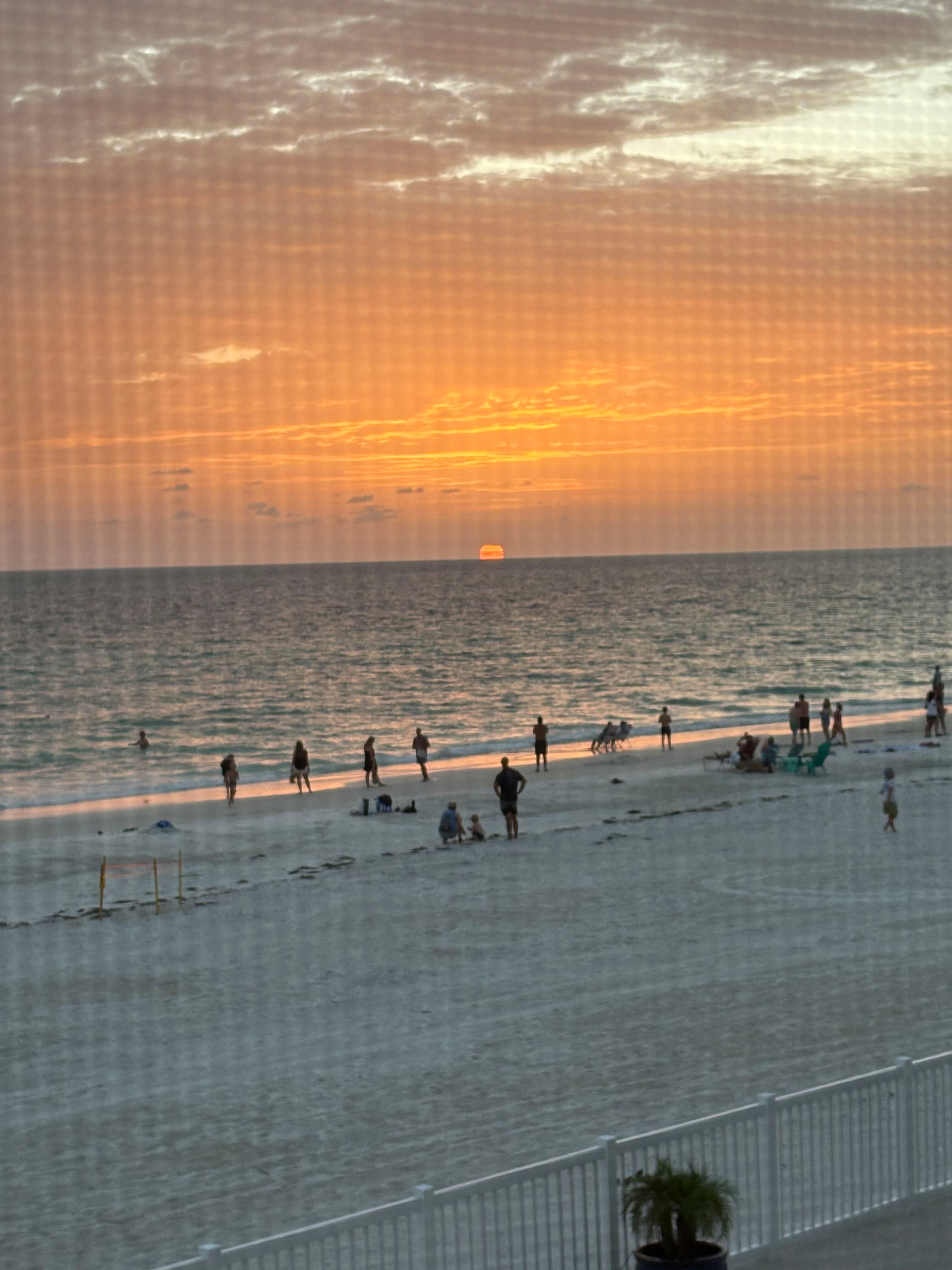
With the end of summer approaching for most of us in the Northern hemisphere, I wanted to share one of my favorite things about summer (and living in Florida): the beach
Every year I go with my family to Anna Maria Island, a beach town near Bradenton/Sarasota here in Florida. It’s a small island, connected by a few bridges but it’s mostly for families and “in the know” Floridians (people who live in Florida don’t usually go to the same beaches as most people visiting Florida do, at least in my experience).
The water every year is crystal clear and warm when I go in July, usually about 88ºF (31º C) most days, rain is scarce and passes through quick and of course the beaches are white sand. It’s one of my favorite places on Earth, bar none.
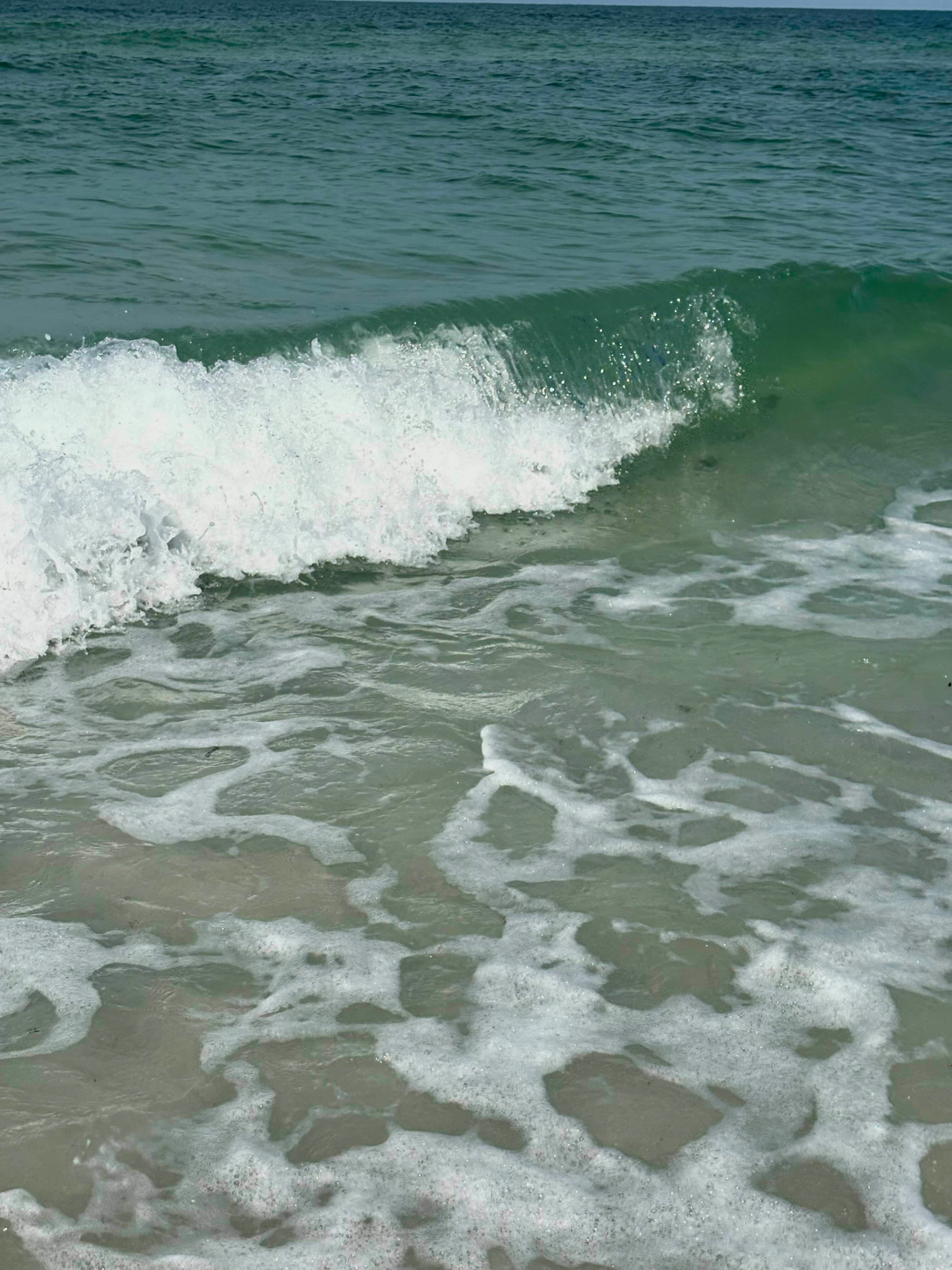
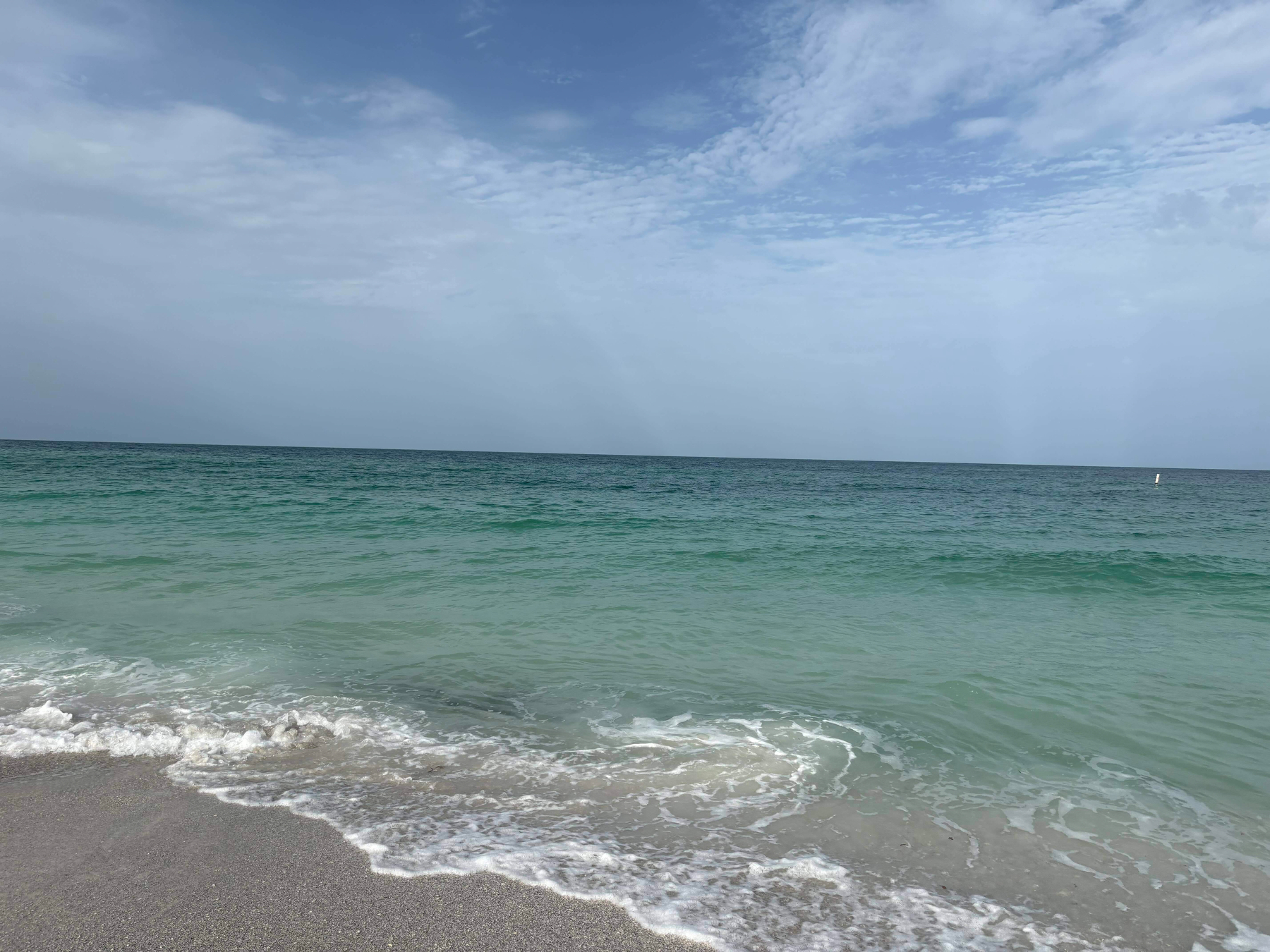
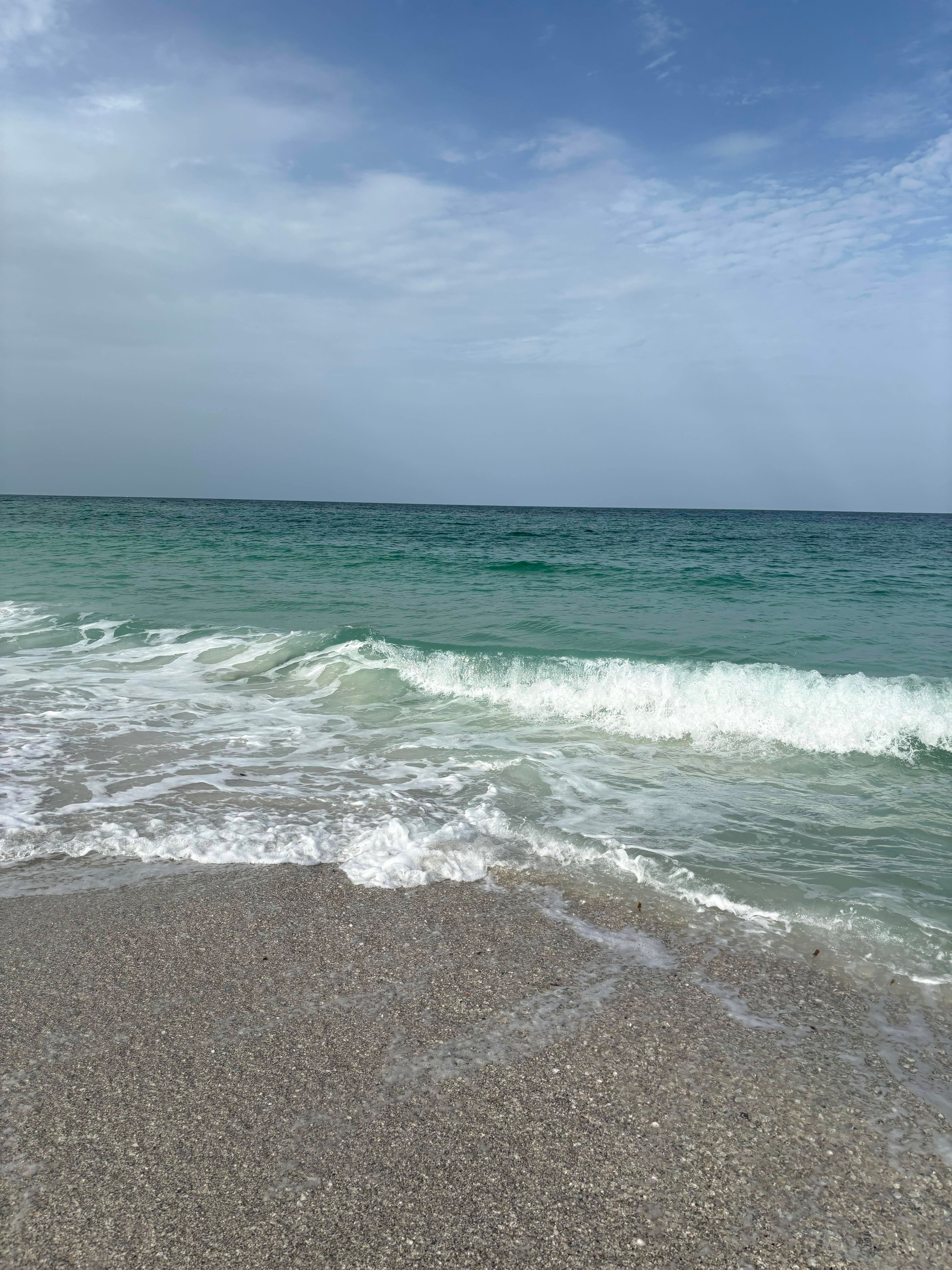
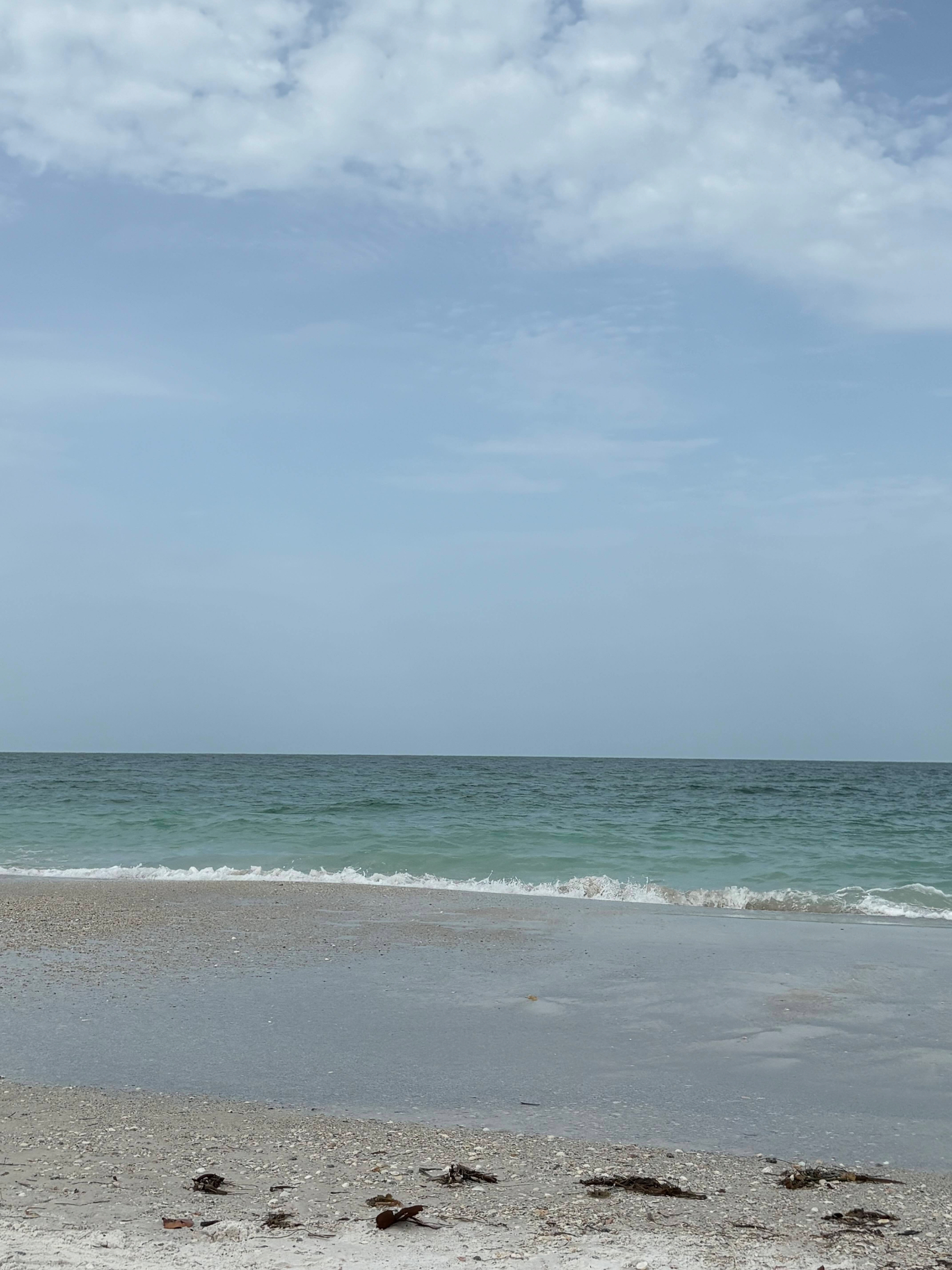
And of course, it’s impossible to beat a good Florida beach sunset.
Tomorrow is the start of another season of college football. This time of year always reminds me of Fall, of shorter days and cooler nights and of course, making your Saturdays revolve around game time.
As most people who grew up in the South can attest, football is a way of life . Growing up in Tallahassee (home of Florida State and the Seminoles), I happened to really come of age when Florida State was not just good, but very very good. I really started paying attention to football around 10-12 or so. I never played myself but my parents had season tickets to FSU games and I would spend many Saturdays with my grandparents (occasionally attending myself), watching on TV, my parents returning later in the evening after attending a game. In the 90s, Florida State was coached by Bobby Bowden, one of the greatest coaches of all time and (debatably) the winningest Division 1 coach ever. He took a team from obscurity into a national powerhouse, routinely winning 9-10 games a season, on the way to two National Championships in 1993 and 1999. In a town like Tallahassee, football was everywhere - stores, restaurants, on tv and the radio and in the paper, and always a topic of conversation. How good we were this year, how much we hated our rivals Miami (FL) and the Florida Gators. Whether we would win “just” 9 games this year or if we had something more. Even if you weren’t big into football, it was really impossible to escape.
I grew to love it by attending some games myself - the feel of 70,000 people cheering and reacting in real time, the heat of summer still lingering a bit into October, the smell of stadium food and waiting in line for the bathroom and all of the typical sports experiences. And going to big games with friends from out of town or just my family, are some of my core memories and some of the best times of my life.
But I also learned to appreciate it by watching it on tv, with more and more nationally televised games appearing every week as college football grew from a niche into a real sports powerhouse. This is also when I started to realize that I love a good underdog story - unlike a lot of sports, any team in college football can really beat any other team, if everything breaks right. Watching upsets and shocking wins, the fans storming the field, all of it just fed into a love of the game.
Of course, no team can stay great forever and since the early 2000s, FSU has had it’s ups and downs (we won another national title in 2013 but its pretty spotty since). Bobby Bowden was semi-forced to retire and we’ve had a parade of coaches since then. While as a fan I never want my team to lose, seeing the team be brought back down to Earth and being more “ordinary” was also informative of what being a fan really means. Where your day doesn’t have to be ruined by a loss, where you watch every game but maybe don’t pay attention to the newest recruiting class or coordinator hire or whatever. It put things in perspective and while I still watch every game that I can, and rarely attend in person, I don’t live and die by it the way I did as a kid.
And college football itself has changed of course. There’s a lot of griping about NIL (Name, Image, Likeness) rights, where players can actually make money for being the stellar athletes that they are - for over 100 years, college athletes were considered “amateur” and weren’t even allowed to have a summer job - from people who followed the sport forever, but to me it’s long overdue. These players literally sacrifice their bodies every week for a few hours; a free education is amazing but they are entitled to more. And because so many watch college football now, that means that the money keeps coming in to the schools and conferences themselves, changing TV deals and making it harder to watch as the sheer inventory of games has to get shifted from cable to a million different streaming services. And since players can also now transfer schools (also a fair move in my opinion), that means they can go where they are going to get to play more or be spotlighted more but it also means you don’t really get to see players grow as an athlete. Rare are the players who actually play at one school for all 4 years. So it’s a different experience, not seeing the same players year in and year out. Lastly, the fan experience has changed - like everything, games are more expensive to go to, there are a ton more commercial breaks and even the TV watching experience is different since you have to either pay out the nose to watch or jump between services if you like to watch more than just your team. And none of that of course touches on the actual physical harms of football, with CTE injuries and the sheer dangerousness of it all.
Still though, even with all that has changed for the team, the experience and the game itself, I still get excited every late August/early September to sit down, turn on a game and just enjoy seeing top athletes perform, be on the edge of my seat for an upset and just enjoy being a fan. It’s a great tradition and something I’m glad I am fortunate enough to experience, year after year.